October is Fire Prevention Month: Why It’s the Right Time to Examine Your Kitchen Exhaust System
Every October, facility managers, maintenance directors, and cleaning professionals are reminded of one crucial truth: fire prevention begins in the kitchen.
In a recent article from CMM Magazine, Kitchen Guard’s Director of Customer Support, John Conway, emphasized the critical role that commercial kitchen exhaust cleaning plays in preventing fires and maintaining compliance.
The Hidden Risk Above the Hood
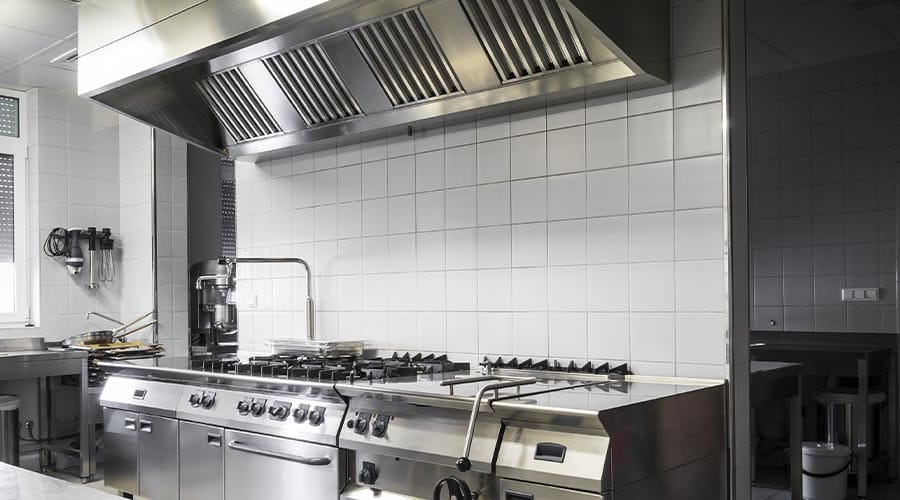
Grease-laden vapors, high-heat cooking environments, and nonstop food preparation make commercial kitchens uniquely vulnerable to fire hazards. Over time, grease builds up inside hoods, filters, ducts, and rooftop fans—creating a highly flammable environment.
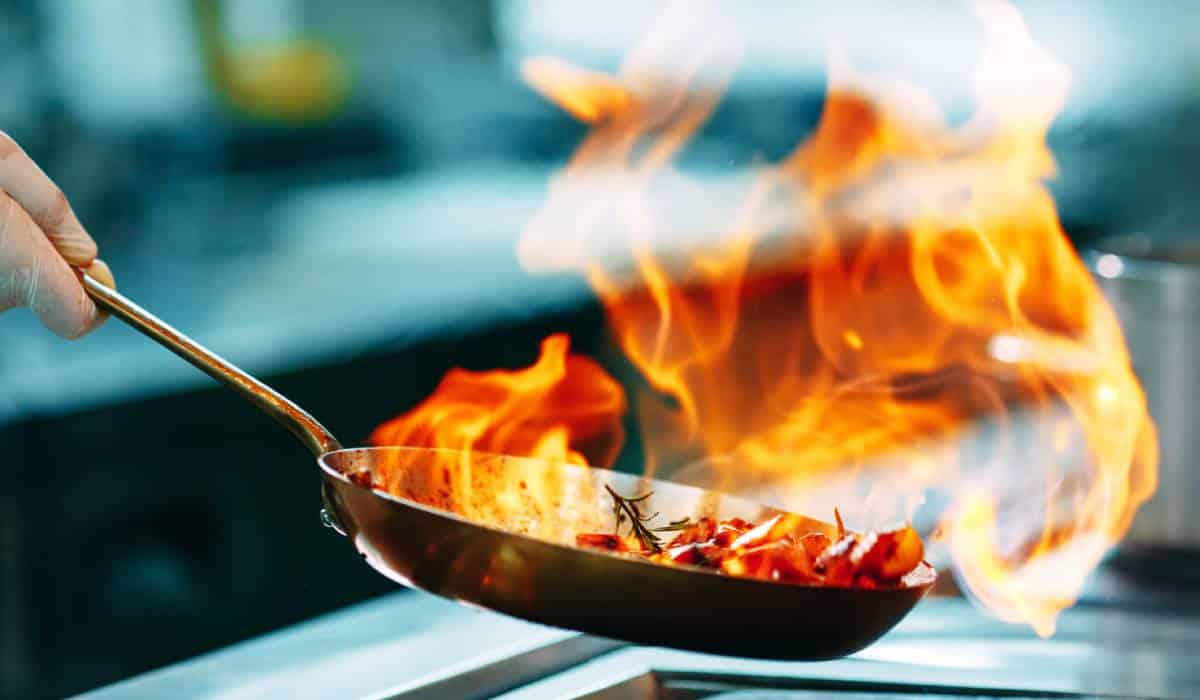
Even a thin layer of buildup can ignite under the right conditions. According to the National Fire Protection Association (NFPA), cooking equipment is the leading cause of fires in foodservice facilities, accounting for nearly 61% of reported incidents.
Routine, professional exhaust cleaning is not just about compliance—it’s about protecting lives, property, and business continuity.
A Cost-Effective Commitment to Safety
For many facilities, the cost of professional exhaust cleaning represents less than one percent of total revenue, but the return on investment is immeasurable. Preventing one fire means avoiding costly repairs, insurance claims, operational shutdowns, and reputational damage.
As Conway notes in the article, “It’s not just about passing inspection—it’s about protecting people, assets, and the community you serve.”
Real-World Consequences of Neglect
In 2020, a fire caused by grease buildup in the kitchen exhaust system of the Hilton Garden Inn in Portland, Maine, resulted in more than $1 million in damages and weeks of operational downtime. The incident underscores the importance of proactive maintenance and certified professional cleaning.
Why October Matters
Fire Safety Awareness Month provides the perfect opportunity for teams to pause and take stock of their fire prevention protocols. Use this time to:
- Schedule a certified hood and exhaust system inspection
- Verify NFPA 96 compliance
- Refresh internal staff training
- Review your maintenance and inspection logs
These steps build a culture of accountability that extends beyond a single month.
Partnering for Prevention
Partnering with certified hood cleaning professionals—like Kitchen Guard—ensures that every system is cleaned and documented to NFPA standards. Our technicians use advanced equipment and follow proven processes to keep commercial kitchens compliant and protected year-round.
Because when safety is prioritized, everything else—from performance to peace of mind—follows.