Why Kitchen Ventilation Cleaning Matters — Safety, Efficiency & Compliance
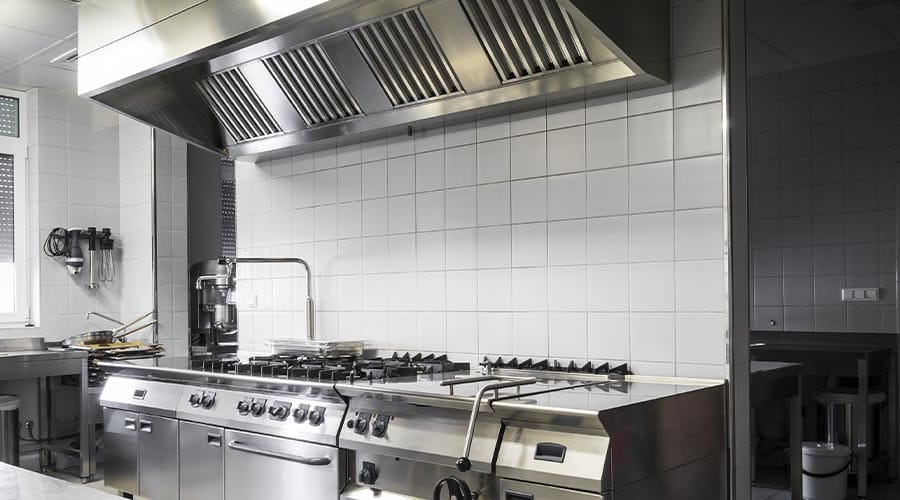
A recent Restobiz article highlights a frequently overlooked but critically important aspect of restaurant operations: keeping your kitchen exhaust, hoods, ducts, and ventilation system clean. Restobiz
This is not just a “nice to have” — it’s an operational necessity. Here’s how the article’s key points align with Kitchen Guard’s mission to protect clients, staff, and facilities.
The Risks of Neglect
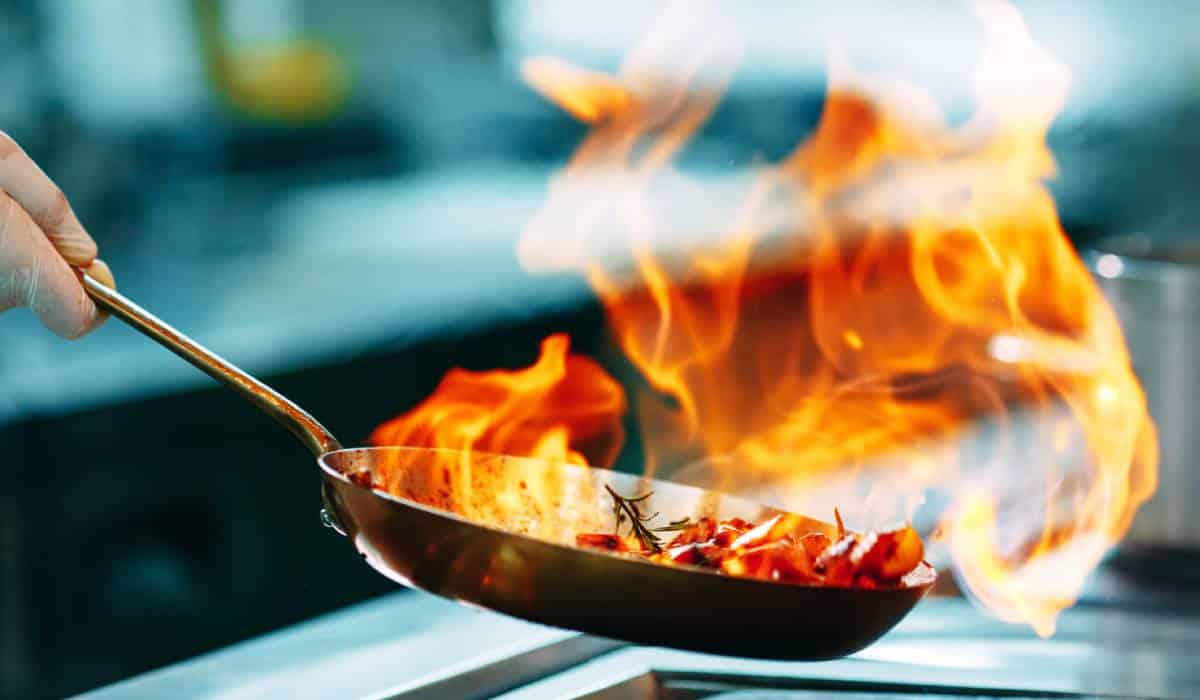
- Fire hazard: Grease and particulate deposits in hoods, filters, and ducts are highly flammable. Over time, they create conditions where even a small ignition can turn into a serious fire.
- Reduced ventilation & indoor air quality: Clogged systems hinder airflow, trap smoke, heat, and odors, and degrade the overall kitchen environment.
- Higher energy and maintenance costs: When the system is clogged, fans and motors must work harder. This shortens equipment life and increases utility costs.
- Regulatory and insurance liability: Failing to maintain the ventilation system can violate fire codes, health codes, and lead to denied insurance claims.
Best Practices for Effective Ventilation Maintenance
Restobiz recommends a multifaceted approach — here’s how those principles map to what we see in field operations and NFPA / industry guidance:
- Scheduled, comprehensive cleanings
Don’t limit cleaning to visible areas. Internal surfaces of ducts, access panels, fan components — every part of the exhaust pathway — must be addressed on a schedule tied to cooking volume. - Tailor frequency to operation type
High-volume, grease-heavy cooking (e.g. fryers, charbroilers) demands more frequent cleaning. Light-use operations may stretch intervals, but never omit inspections. - Transparent documentation
Create and retain records: cleaning dates, technician credentials, before/after photos, and compliance notes. These records become your shield during audits and inspections. - Coordination across systems
The exhaust system doesn’t exist in isolation. It must operate in sync with makeup air, HVAC, building envelope, and fire suppression systems. - Inspection routine between cycles
Even when full cleanings are spaced out, conduct interim inspections to catch grease buildup before it becomes a hazard.
What Kitchen Guard Brings to the Table
At Kitchen Guard, our approach aligns strongly with Restobiz’s recommendations — and adds added rigor:
- Full NFPA-compliant exhaust & hood cleanings that cover hoods, filters, ducts, fans, and access points.
- Granular documentation — photographic proof, technician logs, compliance certification — that clients can present to fire marshals and insurers.
- Customized frequency plans based on the client’s cuisine type, volume, and local AHJ requirements.
- System integration coordination, aligning exhaust service with HVAC and mechanical teams to ensure optimal airflow and safe balance.
- Client education & audit readiness, training facility and kitchen staff on signs of system strain or abnormal behavior, and preparing them for inspection scenarios.