Fire Remains a Serious Threat in Commercial Kitchens
In a recent CleanLink feature, Kitchen Guard’s Ryan Hall, Senior Training Manager, sounded an urgent alarm: fire hazards in commercial kitchens are not declining — in fact, they remain a top threat to safety, operations, and reputation. CleanLink
Taking October’s Fire Prevention Month seriously isn’t optional — it’s essential for any facility with a kitchen. Here’s a closer look at the risks, the standards, and how facility and kitchen teams can work together to keep everyone safe.
Why Fire Risk Persists in Kitchens
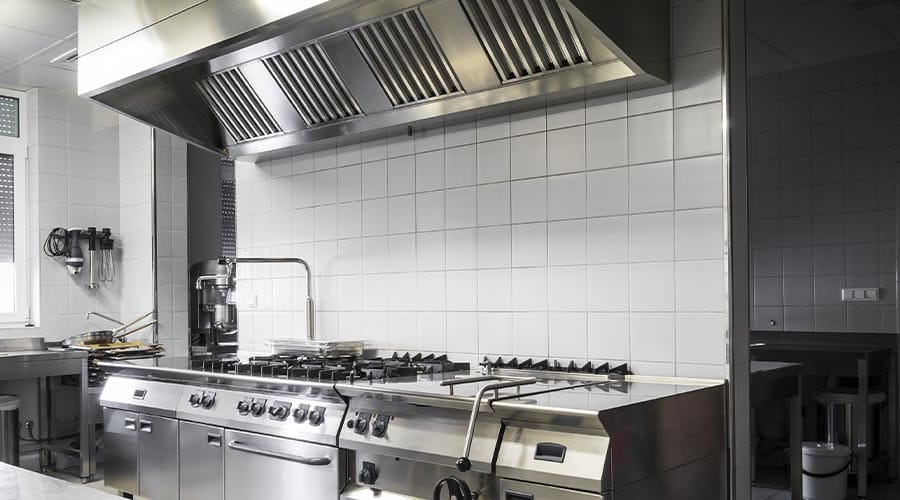
Grease is both the lifeblood of cooking and the menace lurking overhead. In commercial settings, grease-laden vapors cling to hoods, ductwork, fans, and filters. Ignited, those deposits can turn a minor flare into a serious fire. CleanLink
One recent example cited in the article: a fire in Yuma, Arizona, broke out at a Panda Express. The suppression system contained it, but investigators warned that dirty or neglected exhaust systems could have produced a far more destructive outcome. CleanLink
Other facilities have not been so fortunate — insurers have paid out millions after fires traced to grease-laden ducts or failures in suppression systems. CleanLink
The Standard That Governs Kitchen Safety: NFPA 96
To turn the tide on these dangers, the NFPA 96 standard is indispensable. It prescribes design, cleaning, inspection, testing, and documentation requirements for commercial kitchen exhaust and fire protection systems. CleanLink+1
Key requirements include:
- Cleaning intervals based on cooking volume and method
- Full access to duct systems (not just visible surfaces)
- Detailed documentation (photos, reports) to satisfy inspectors and insurers
- Integration with suppression systems and coordination with mechanical systems CleanLink
Meeting NFPA 96 doesn’t just reduce fire risk — it can positively impact your insurance profile. Many insurers require proof of proper exhaust maintenance and documented compliance as part of underwriting. CleanLink
Risks to Reputation, Compliance & Business Continuity
A kitchen fire is more than a property loss. It can mean:
- Denied insurance claims if negligence is found
- Regulatory penalties or forced closure
- Loss of customer trust and damaged reputation
- Extended downtime and lost revenue
In a tighter regulatory climate, many authorities now require certified cleaning reports and photographic proof of duct cleanliness — mere stickers won’t suffice. CleanLink
Best Practices for Prevention & Compliance
Here are actionable steps facility managers and kitchen teams should adopt:
| Action | Why It Matters |
|---|---|
| Schedule a full NFPA-compliant exhaust cleaning | Clean deeper than just visible parts — open access panels, clean interiors, test links. |
| Audit your vendor’s certifications & methodology | Ensure they follow NFPA 96, deliver documentation, and coordinate with suppression and mechanical systems. |
| Review and update cleaning/inspection logs | Keep records that satisfy fire marshals and insurers. |
| Train staff & conduct drills | A system only works if people know how to respond during a fire event. |
| Monitor airflow and system performance | Grease buildup degrades ventilation, increasing heat and risk over time. |
| Coordinate with suppression and mechanical teams | Ensure synergy between hood cleaning, fire systems, and HVAC – all must work together. |
A clean system is safer — and often more efficient, with better airflow and lower energy use as fans don’t strain against clogged ducts. CleanLink
How Kitchen Guard Can Help
As the original publisher of the CleanLink piece, we walk the walk. We provide:
- Certified NFPA 96 exhaust cleaning services
- Detailed documentation (photos, inspection reports)
- Coordination with fire suppression and HVAC systems
- Training and support so your team is aligned with safety goals
During Fire Prevention Month — and always — it’s the perfect moment to audit your kitchen’s fire safety posture and make sure your systems are fully compliant, documented, and capable of protecting your people, your operation, and your reputation.